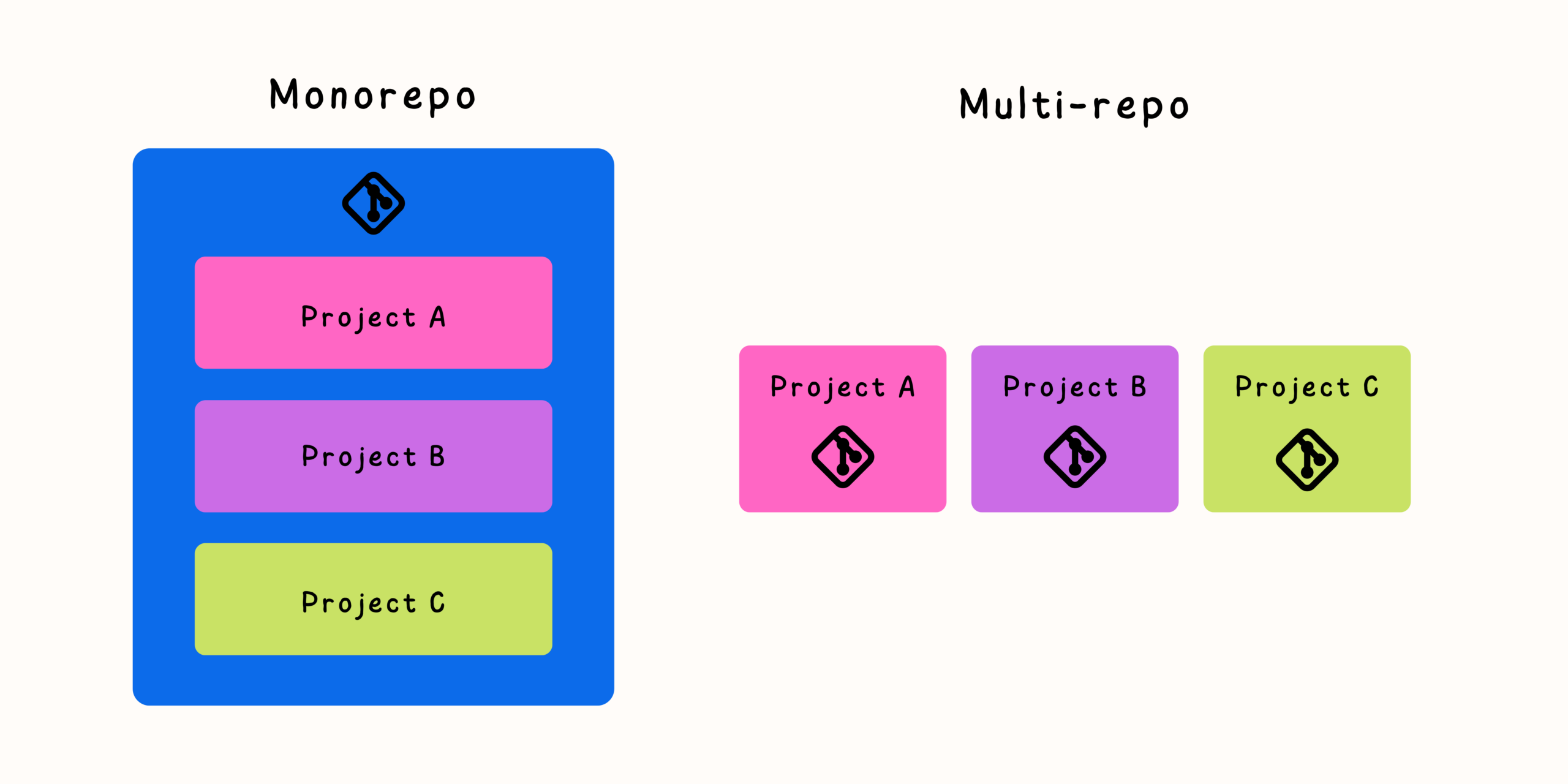
Modern software systems are rarely built inside a single isolated repository. As applications grow, teams often split codebases into multiple repositories to support independent ownership, separate deployment cycles, and different development workflows.
A typical organization may have repositories for:
- Frontend applications
- Backend services
- Shared libraries
- Infrastructure configuration
- Documentation
- Internal tools
This approach provides flexibility, but it introduces a critical challenge: keeping repositories synchronized.
When changes affect multiple repositories, teams need reliable strategies to coordinate updates, manage dependencies, and prevent version mismatches. Without a clear synchronization approach, development becomes slower, releases become riskier, and teams spend more time coordinating than building software.
Why Cross-Repository Synchronization Matters
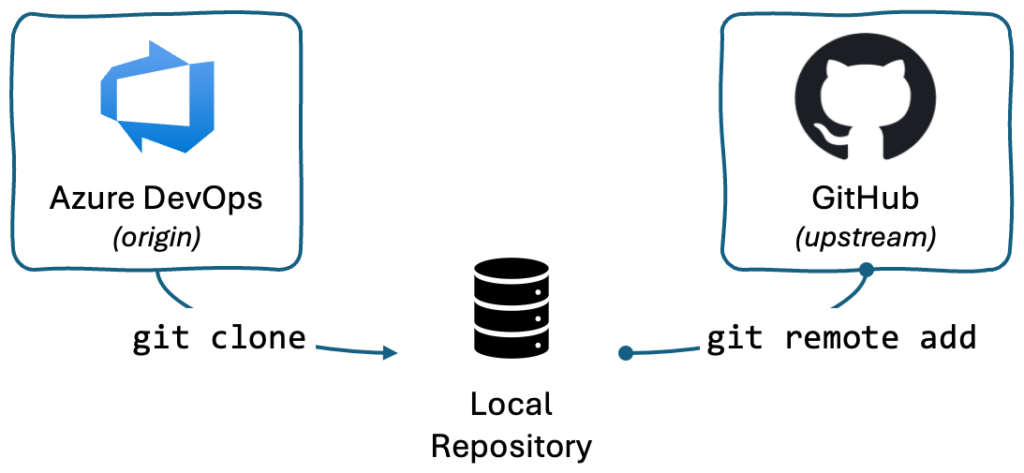
A repository boundary creates separation, but modern applications are usually connected through dependencies and shared functionality.
A small change can affect multiple repositories:
- A backend API introduces a new endpoint.
- A frontend application needs to consume that endpoint.
- A mobile application requires similar updates.
- Documentation needs to explain the new behavior.
Without synchronization, teams may encounter:
- Broken builds
- Incompatible versions
- Failed deployments
- Confusing release processes
- Duplicate troubleshooting efforts
Effective synchronization ensures that connected systems evolve together.
Common Causes of Repository Synchronization Problems
Understanding why synchronization fails helps teams design better workflows.
Independent Release Cycles
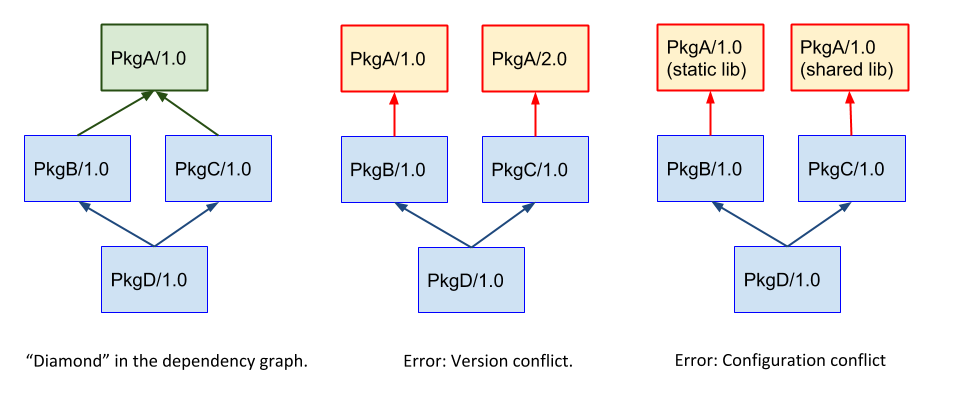
When each repository releases separately, dependencies can quickly become outdated.
For example:
- Service A releases version 2.0.
- Service B still depends on version 1.x.
- A breaking change causes unexpected failures.
Independent releases provide flexibility but require strong version management.
Hidden Dependencies
Not all dependencies are obvious.
A repository may rely on another through:
- Shared APIs
- Configuration formats
- Database schemas
- Authentication rules
- Deployment assumptions
Hidden relationships often cause unexpected problems during changes.
Manual Update Processes
Many teams still rely on developers remembering to update related repositories.
Manual coordination leads to:
- Forgotten updates
- Inconsistent versions
- Delayed releases
- Human errors
Automation becomes increasingly important as repository count grows.
Pattern 1: Versioned Package Dependencies
One of the most common synchronization patterns is treating shared code as a versioned package.
Instead of directly linking repositories, teams publish reusable components.
Examples include:
- Internal JavaScript packages
- Python libraries
- Java dependencies
- .NET packages
- Container images
The workflow looks like:
- A shared library changes.
- A new version is published.
- Dependent repositories update their dependencies.
- Automated tests verify compatibility.
Advantages of Package-Based Synchronization
This approach provides:
- Clear dependency versions
- Controlled upgrades
- Independent releases
- Better change tracking
It works especially well for stable shared components.
Challenges
Teams must manage:
- Versioning rules
- Release processes
- Dependency updates
- Compatibility testing
Poor version management can create dependency fragmentation.
Pattern 2: Monorepository Synchronization
A monorepo solves many synchronization problems by storing related projects together.
Instead of synchronizing repositories, teams synchronize changes inside one repository.
Example:
platform/
├── frontend/
├── backend/
├── mobile/
├── shared-library/
└── infrastructure/
A single commit can update multiple components together.
Benefits of a Monorepo Approach
Advantages include:
- Atomic changes
- Easier refactoring
- Shared tooling
- Centralized dependency management
- Better visibility
Teams no longer need to coordinate changes across repository boundaries.
Challenges of Monorepos
Monorepos introduce different problems:
- Larger repository size
- More complex CI/CD pipelines
- Need for advanced build systems
- More careful access management
They work best when supported by proper tooling and engineering practices.
Pattern 3: Git Submodules
Git submodules allow one repository to reference another repository at a specific commit.
Example:
main-application/
├── src/
└── shared-component/  → external repository
The parent repository stores the exact version of the included repository.
Benefits of Submodules
Submodules provide:
- Independent repository ownership
- Exact dependency tracking
- Separate histories
- Controlled updates
They can be useful when external repositories must remain separate.
Problems With Submodules
However, submodules create workflow complexity.
Common issues include:
- Developers forgetting initialization steps
- Difficult updates
- Detached HEAD states
- More complicated CI pipelines
- Extra coordination requirements
Submodules are powerful but require disciplined workflows.
Pattern 4: Git Subtree Synchronization
Git subtree provides another way to include repository content inside another repository.
Unlike submodules, the files exist directly in the main repository.
Benefits include:
- Simpler developer experience
- No additional clone steps
- Easier builds
- Single checkout workflow
Subtrees can be useful when teams want shared code integration without maintaining separate working directories.
Pattern 5: Automated Repository Synchronization
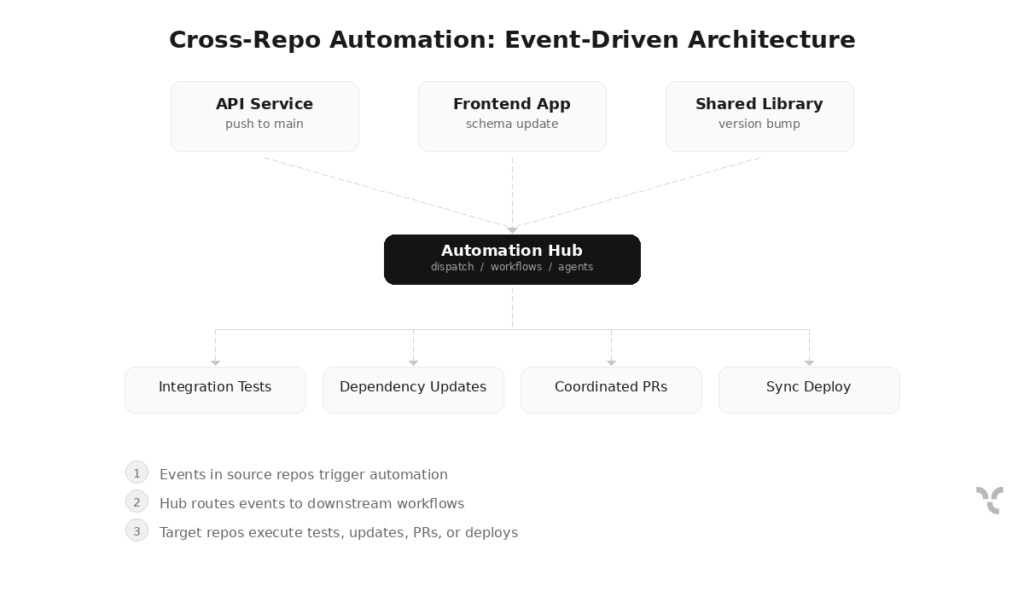
Some organizations use automation to keep repositories aligned.
Common approaches include:
- Scheduled synchronization jobs
- Automated pull requests
- Dependency update bots
- CI-triggered updates
- Repository mirroring
For example:
- A shared library releases a new version.
- Automation detects dependent repositories.
- Pull requests are created automatically.
- Tests verify compatibility.
This reduces manual coordination.
Pattern 6: API Contract Synchronization
For service-based architectures, APIs often become the synchronization point.
Teams define contracts that describe how services communicate.
Common approaches include:
- API schemas
- Interface definitions
- Generated client libraries
- Contract testing
A change to an API can automatically trigger validation across dependent services.
This prevents unexpected compatibility issues.
Tools That Help Manage Cross-Repository Development
The right tools depend on the chosen architecture, but several categories are commonly useful.
Dependency Management Tools
These help track and update external dependencies.
They can:
- Detect outdated versions
- Create update requests
- Run compatibility checks
- Automate upgrades
CI/CD Platforms
Continuous integration systems can coordinate work across repositories.
Useful capabilities include:
- Triggering builds from changes
- Running integration tests
- Validating dependencies
- Coordinating deployments
Build and Workspace Tools
Large organizations often use specialized tools for managing complex repositories.
These tools help with:
- Dependency graphs
- Incremental builds
- Task scheduling
- Caching
Documentation and Ownership Tools
Synchronization is not only technical.
Teams also need visibility into:
- Repository ownership
- Dependencies
- Release responsibilities
- Architecture decisions
Clear documentation prevents unnecessary confusion.
Best Practices for Cross-Repository Development
Successful teams usually follow several principles.
Define Ownership Clearly
Every repository should have:
- A responsible team
- Maintainers
- Review guidelines
- Support expectations
Unclear ownership creates delays.
Automate Repetitive Coordination
If developers repeatedly perform the same synchronization steps manually, automation is usually needed.
Automate:
- Dependency updates
- Testing
- Release workflows
- Notifications
Maintain Compatibility Rules
Teams should define:
- Versioning policies
- Breaking change processes
- Deprecation timelines
- Migration strategies
Clear rules reduce unexpected failures.
Test Across Repository Boundaries
Unit tests inside individual repositories are not enough.
Teams should also consider:
- Integration tests
- Contract tests
- End-to-end tests
These validate that connected systems continue working together.
Document Repository Relationships
Developers should easily understand:
- Which repositories depend on each other
- How updates flow
- Who owns each component
- How releases are coordinated
Visibility reduces mistakes.
Choosing the Right Synchronization Strategy
Different situations require different solutions.
Use Packages When:
- Shared components are stable
- Teams release independently
- Version control is important
Use Monorepos When:
- Projects frequently change together
- Teams need shared visibility
- Large refactoring is common
Use Submodules When:
- Repository separation is required
- Dependencies rarely change
- Exact commits must be controlled
Use Automation When:
- Many repositories depend on each other
- Manual updates become expensive
- Release coordination is complex
Final Thoughts
Cross-repository development introduces challenges that do not appear in smaller projects. As organizations scale, synchronization becomes less about Git commands and more about designing effective engineering processes.
The most successful teams treat repository management as an architectural decision. They combine the right strategy—whether packages, monorepos, automation, or carefully managed multi-repository workflows—with clear ownership and strong testing practices.
Repositories should help teams move faster, not create additional coordination barriers. By investing in synchronization patterns and automation, organizations can maintain the flexibility of multiple repositories while keeping development efficient and predictable.


Related Posts