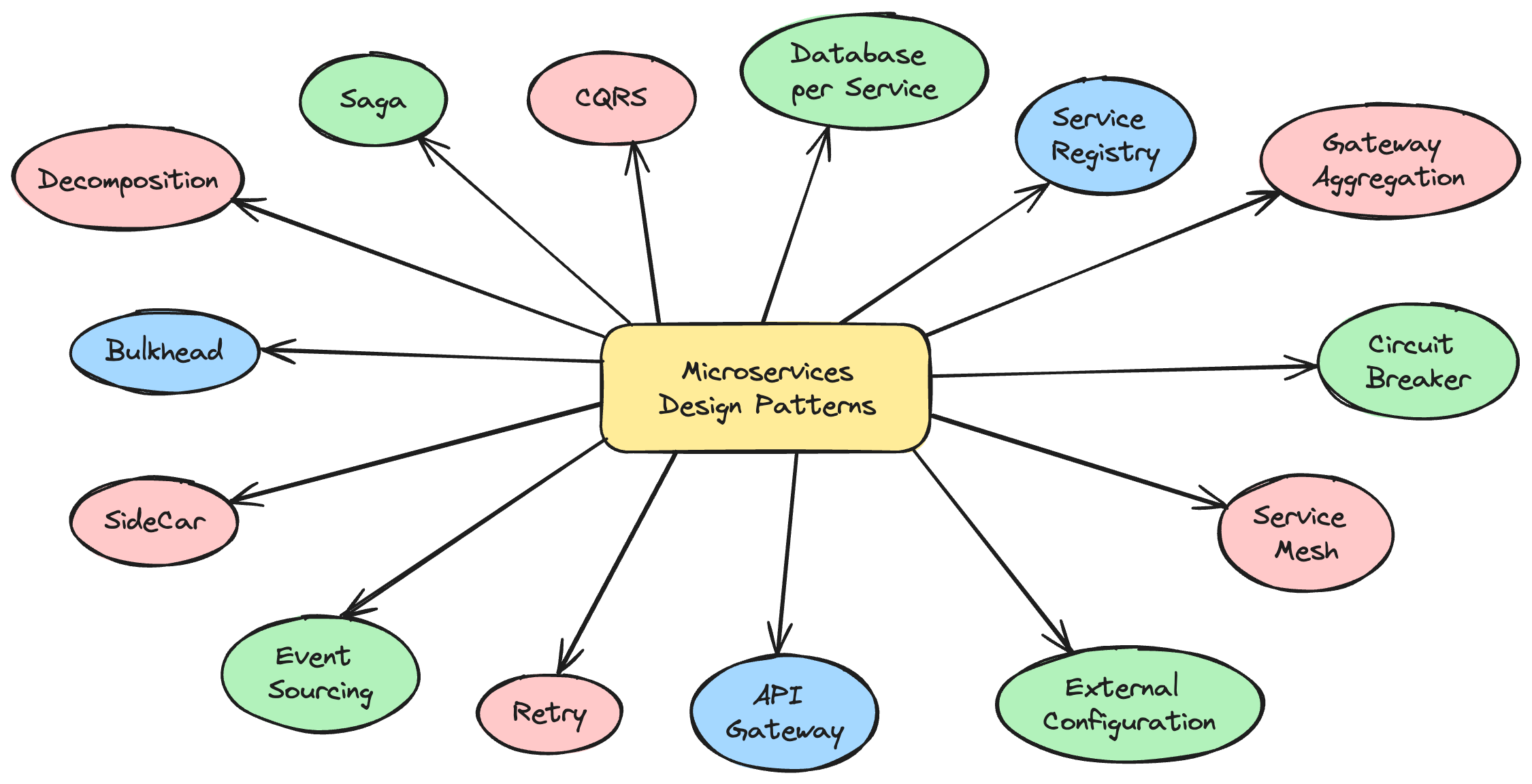
Microservices architectures changed the way many organizations build software. Instead of creating one large application, teams split systems into smaller services that can be developed, deployed, and scaled independently.
However, as the number of microservices grows, managing them becomes increasingly complex. Teams must coordinate shared libraries, service dependencies, development environments, testing, and deployment workflows.
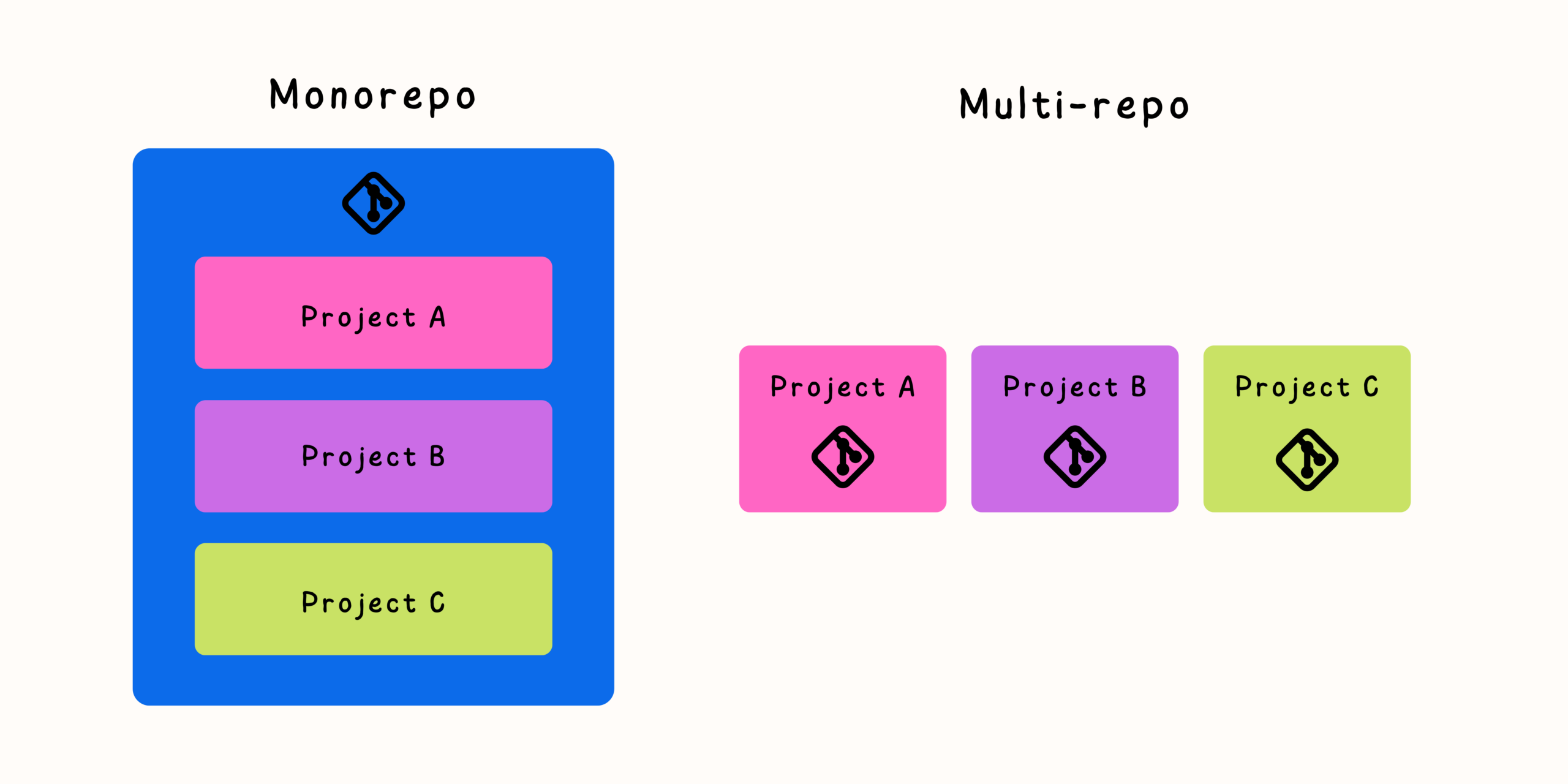
A monorepository approach offers a different way to organize microservices. Instead of storing each service in its own Git repository, teams keep multiple services, shared components, and infrastructure code inside a single repository.
This approach can improve collaboration and simplify development, but it also introduces new challenges around repository size, ownership, CI/CD complexity, and team boundaries.
Understanding the benefits, risks, and practical patterns of managing microservices in a monorepo helps teams decide whether this architecture fits their needs.
What Is a Microservices Monorepository?
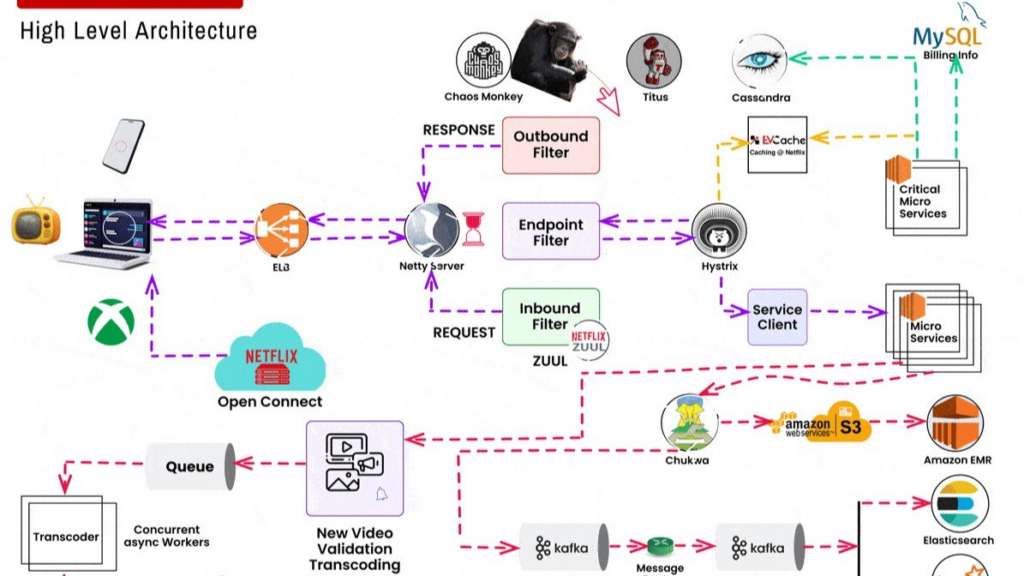
A microservices monorepository combines two architectural ideas:
- Microservices — applications are divided into independently deployable services.
- Monorepository — multiple projects are stored in one Git repository.
A typical structure may look like:
company-platform/
│
├── services/
│   ├── user-service/
│   ├── payment-service/
│   ├── notification-service/
│   └── order-service/
│
├── libraries/
│   ├── authentication/
│   ├── logging/
│   └── shared-models/
│
├── infrastructure/
│   ├── kubernetes/
│   └── terraform/
│
└── tools/
Each microservice remains logically independent, but teams share a common development environment and repository structure.
Why Teams Put Microservices in a Monorepo
Traditional microservices architectures often use a multi-repository model:
user-service repository

payment-service repository

notification-service repository

shared-library repository
This provides independence but creates coordination challenges.
A monorepo attempts to solve these issues by bringing related components together.
Common reasons teams adopt a microservices monorepo include:
- Frequent changes across multiple services
- Shared internal libraries
- Need for consistent tooling
- Easier onboarding
- Simplified dependency management
- Better visibility into the entire system
The goal is not to eliminate service boundaries but to reduce unnecessary repository boundaries.
Benefits of Managing Microservices in a Monorepo
Easier Cross-Service Changes
One of the biggest advantages of a monorepo is the ability to make coordinated changes across services.
Consider a business requirement:
- Update the user model.
- Modify the user service.
- Update the payment service.
- Adjust notification logic.
In a multi-repository environment, this may require several coordinated pull requests.
In a monorepo, the change can happen together:
Commit:
- Update user-service
- Update payment-service
- Update notification-service
- Update shared models
This creates a single atomic change.
Simplified Dependency Management
Microservices often share common components:
- Authentication logic
- Logging systems
- API clients
- Data models
- Monitoring tools
A monorepo makes these dependencies easier to manage.
Teams can:
- Update shared libraries immediately
- Detect breaking changes early
- Test dependent services together
This reduces version synchronization problems.
Faster Developer Onboarding
New developers working with multiple repositories often need to understand:
- Which repositories exist
- How they interact
- Which versions are compatible
- How to run the system locally
A monorepo provides a central place for:
- Source code
- Documentation
- Development scripts
- Configuration
A developer can clone one repository and understand the system more quickly.
Consistent Development Practices
A monorepo encourages standardization.
Teams can share:
- Code formatting rules
- Testing frameworks
- Security checks
- CI/CD templates
- Development tools
This reduces differences between services.
Easier Large-Scale Refactoring
Microservices sometimes create fragmentation.
A monorepo makes architectural improvements easier.
Examples:
- Migrating a shared API format
- Updating authentication methods
- Replacing outdated libraries
- Improving observability standards
Developers can update multiple services in one workflow.
Risks of Microservices in a Monorepo
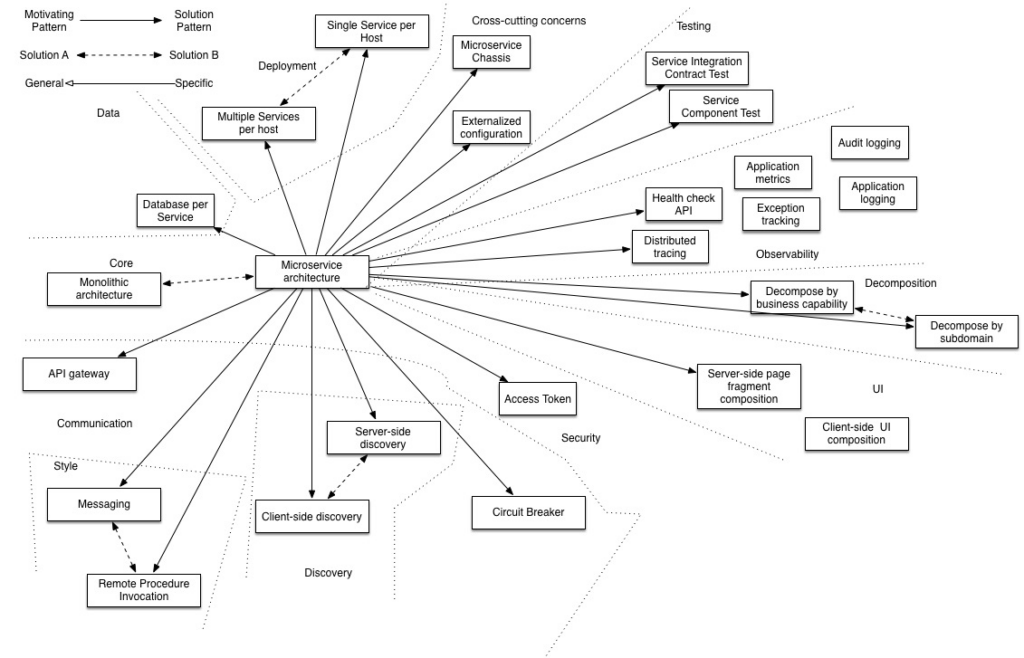
Although monorepos solve many problems, they also create challenges.
Risk 1: Repository Size and Performance
A large microservices monorepo can contain:
- Millions of files
- Long Git history
- Many dependencies
- Large build artifacts
Without optimization, developers may experience:
- Slow cloning
- Slow searches
- Slow builds
- Heavy local environments
Large monorepos require careful tooling.
Useful techniques include:
- Partial cloning
- Build caching
- Incremental builds
- Dependency-aware testing
Risk 2: CI/CD Complexity
A monorepo may contain dozens or hundreds of services.
Running every test after every change is inefficient.
For example:
Developer changes payment-service

Without optimization:

Run:
- Payment tests
- User tests
- Notification tests
- Reporting tests
- Mobile tests
A better approach:
Change detection

↓

Identify affected services

↓

Run relevant pipelines
Modern monorepos rely heavily on intelligent CI systems.
Risk 3: Team Ownership Confusion
A common misconception is that a monorepo removes ownership boundaries.
It does not.
Without clear ownership, problems appear:
- Developers modify unfamiliar services
- Reviews become unclear
- Teams avoid maintaining shared code
A successful monorepo needs explicit ownership.
Examples:
/services/payment
Owner: Payments Team

/services/user
Owner: Identity Team

/libraries/security
Owner: Platform Team
Risk 4: Reduced Service Independence
Microservices are designed to support independent development and deployment.
A poorly designed monorepo can accidentally create tight coupling.
Warning signs include:
- Services importing each other’s internal code
- Shared database models everywhere
- Frequent synchronized releases
- Direct dependency chains
A monorepo should improve collaboration without destroying service boundaries.
Risk 5: Access Control Challenges
Some organizations require strict repository-level permissions.
A single repository can make this more difficult.
Teams need alternative controls:
- Code ownership rules
- Review requirements
- Directory permissions
- Automated policy checks
Visibility and responsibility must be balanced.
Real-World Monorepo Patterns for Microservices
Different organizations use different structures depending on their needs.
Pattern 1: Service-Based Organization
Each microservice has its own directory.
Example:
services/

├── catalog-service
├── checkout-service
├── inventory-service
└── payment-service
Each service contains:
- Application code
- Tests
- Configuration
- Deployment files
This is the simplest migration path from multi-repositories.
Pattern 2: Domain-Based Organization
Services are grouped by business domain.
Example:
domains/

├── commerce/
│   ├── checkout-service
│   └── inventory-service
│
├── identity/
│   ├── user-service
│   └── auth-service
│
└── communication/
    ├── email-service
    └── notification-service
This structure aligns technical organization with business ownership.
Pattern 3: Shared Platform Layer
Many organizations create a platform area.
Example:
platform/

├── authentication
├── observability
├── deployment-tools
├── service-templates
└── shared-libraries
Platform teams maintain common capabilities used by service teams.
Pattern 4: Service Templates
Large organizations often standardize new services.
A template may include:
- Project structure
- CI/CD configuration
- Logging
- Monitoring
- Security defaults
Benefits include:
- Faster service creation
- Consistent practices
- Reduced maintenance
Managing Dependencies Between Services

A monorepo does not remove the need for good dependency management.
Teams should still maintain:
Clear Service Interfaces
Services should communicate through defined contracts.
Examples:
- APIs
- Events
- Message schemas
Independent Deployment Boundaries
A service should remain deployable without rebuilding unrelated services.
Automated Contract Testing
Changes should verify compatibility between producers and consumers.
CI/CD Strategies for Microservice Monorepos
A scalable pipeline usually follows this pattern:
Step 1: Detect Changes
Identify which files changed.
Step 2: Analyze Dependencies
Determine affected services.
Step 3: Run Targeted Tests
Execute only necessary checks.
Step 4: Build Required Artifacts
Create service images or packages.
Step 5: Deploy Independently
Release affected services without forcing a full system deployment.
This preserves microservice flexibility inside a monorepo.
When Should You Use a Microservices Monorepo?
A microservices monorepo is often a good fit when:
- Teams frequently modify multiple services together.
- Shared libraries are common.
- Developers need system-wide visibility.
- Consistent tooling is important.
- The organization has strong automation.
When Should You Avoid It?
A multi-repository approach may be better when:
- Services are completely independent.
- Teams operate separately.
- External contributors need isolated repositories.
- Different products have unrelated lifecycles.
- Strict access separation is required.
Best Practices for Success
A successful microservices monorepo usually includes:
- Clear ownership boundaries
- Automated dependency analysis
- Fast CI pipelines
- Standardized tooling
- Strong service contracts
- Good documentation
- Independent deployment processes
The repository structure should support the architecture, not replace it.
Final Thoughts
Managing microservices in a monorepository can provide significant advantages for organizations that need strong collaboration across services. It reduces dependency friction, improves visibility, and makes large-scale changes easier.
However, a monorepo does not automatically solve architectural problems. Without proper ownership, tooling, and CI/CD design, it can simply move complexity from multiple repositories into one larger repository.
The most effective teams treat the monorepo as a collaboration platform while preserving the independence and boundaries that make microservices valuable.
When designed carefully, a microservices monorepo creates a powerful balance: the simplicity of centralized development combined with the flexibility of distributed services.

Related Posts